
 RSS Feed
Categories
- Antarctic (192)
- Articles About RYM (13)
- Delivery stories (32)
- Life stories (71)
- Moutaineering – Aconcaqua, Island Peak (40)
- Personal Travel (106)
- Projects (26)
- Race Reports (150)
- Safety at Sea (19)
- South Georgia (314)
- Tips and tricks (51)
Archives
- September 2016
- February 2016
- September 2015
- February 2014
- December 2013
- November 2013
- October 2013
- June 2013
- May 2013
- April 2013
- February 2013
- January 2013
- December 2012
- November 2012
- October 2012
- September 2012
- August 2012
- July 2012
- June 2012
- May 2012
- April 2012
- March 2012
- February 2012
- January 2012
- December 2011
- November 2011
- October 2011
- September 2011
- August 2011
- July 2011
- June 2011
- May 2011
- April 2011
- March 2011
- February 2011
- January 2011
- December 2010
- November 2010
- October 2010
- September 2010
- August 2010
- July 2010
- June 2010
- May 2010
- April 2010
- March 2010
- February 2010
- January 2010
- December 2009
- November 2009
- October 2009
- September 2009
- August 2009
- July 2009
- June 2009
- May 2009
- April 2009
- March 2009
- February 2009
- January 2009
- December 2008
- November 2008
- October 2008
- September 2008
- August 2008
- July 2008
- June 2008
- May 2008
- April 2008
- March 2008
- February 2008
- January 2008
- December 2007
- November 2007
- October 2007
- September 2007
- August 2007
- July 2007
- June 2007
- May 2007
- February 2007
- January 2007
- September 2006
- August 2006
- July 2006
- June 2006
- May 2006
- March 2006
- June 2005
- May 2005
- February 2005
- January 2005
- December 2004
- June 2004
- September 2003
- August 2003
- June 2003
- October 2002
- March 2002
- February 2002
- September 2001
- August 2001
- April 2001
- August 2000
- July 2000
- November 1998
- July 1998
- June 1998
- August 1996
- 0
Tips and tricks
Compass
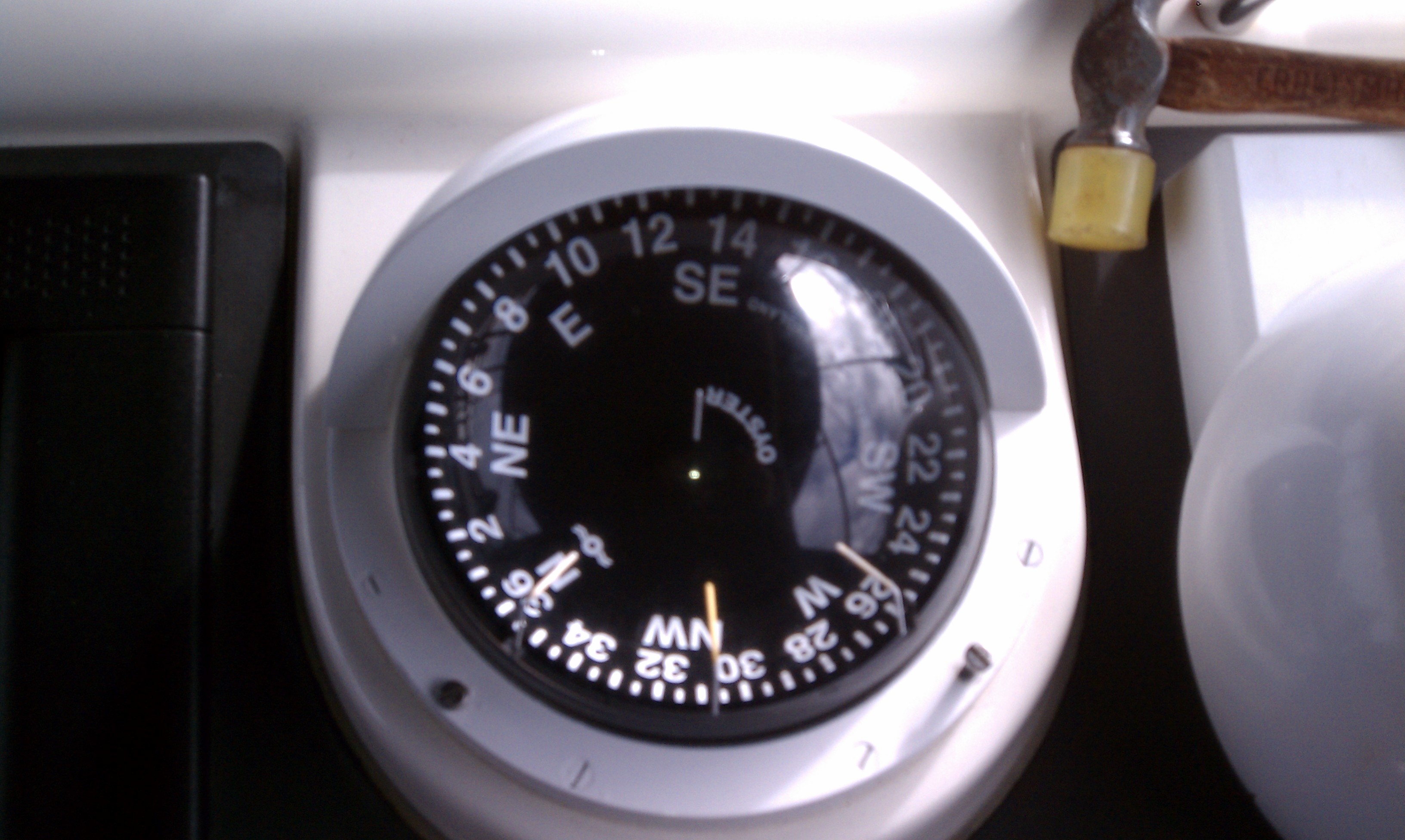
What’s wrong with this picture? Think about how you would steer. The way to fix it was to remove the compass from the console turn it upside down and shake it till the card flips the right way then put it back in. Much easier to steer now!
Big boat big bell!
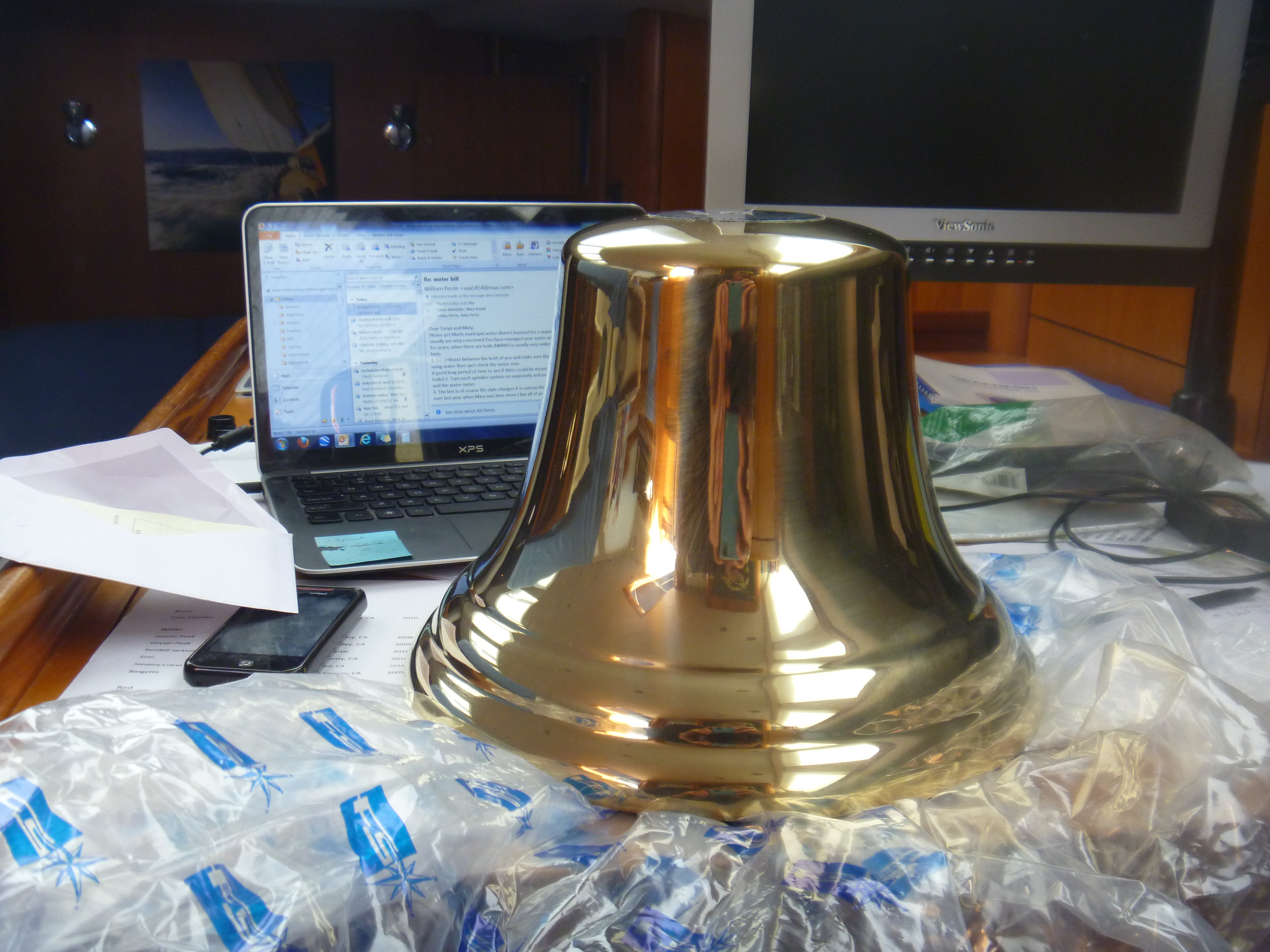
I inspected the Oyster 82 to comply with USCG regulations. We were deficient in two ways. One the oil discharge plaque which has to be in the engine space – cheap and easy to rectify. The other is the need for a 12 inch (thats correct!!) diameter ships bell. The bell is sized according to the vessel. It is now stored and will never be used and takes up tons of space but if I get pulled over during the AC events I will be good to go!
Bryan’s story
Very well written and full of good information the first hand account of LSC.
http://www.sailinganarchy.com/index_page1.php
Marine Accident Investigation Branch
In the UK we have the Marine Accident Investigation Branch which investigates accidents at sea. A friend of mine in the UK sent me an email with a link to a recent report that disucsses the use of tethers while racing http://www.maib.gov.uk/publications/investigation_reports/2012/lion.cfm I hadn’t seen it as being south on such a slow internet connection makes it infuriating to get online.
Devil’s Teeth
I have had many calls this morning from fellow racing sailors and journalists all trying to come to terms with what happened asking me questions about it all. I wasn’t there so everything I have to say is conjuncture based on my experience sailing offshore along this coastline.
The press should call the SFYC who has a person handling the media and I do not wish to be quoted or have anything I have written in my blog be quoted. I have been asked to provide pictures of the people and will not do that either. I am fielding these calls due to the business I am in and I am writing this purely for friends to read and for my own feelings.
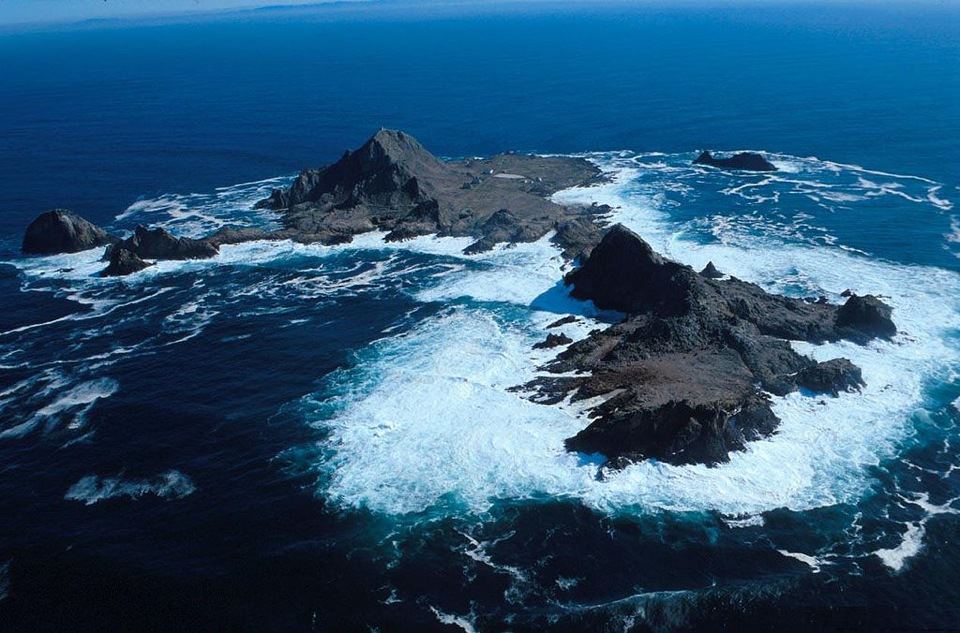
This picture came from FB of the islands where the accident happened on a nice day. As you can see there are breaking waves around the whole island. Once a yacht is in the surf zone it would be suicidal for anyone on another yacht to try and assist. I am very sorry for a friend of mine who has the image of the accident etched in his mind right now and was powerless to assist – he was on a yacht further out to sea running parrallel to LSC.
Had they been tethered to the boat with the initial wave and been on the end of their tether hanging overboard very quickly the other people on the boat might have had to untether to attempt to assist. It would have been very hard for the people remaining on the boat to have pulled 4 or 5 people back onto the boat even on a flat calm day it is very hard to pull one person back aboard never mind multiple. I have been overboard at the end of my tether at night in the Fastnet race but I was lucky as I was prompty delivered back aboard by the next wave. If you are hanging outside the lifelines on the end of your tether it would take immense strength to get back aboard without help from sailors still on the boat.
There would have been no time to recovered the people who were over the side and get the boat out of danger once the boat was disabled and waves were pushing them towards shore. With mast carnage in the water starting the engine would have resulted possibly in a wrapped prop had the engine been in working order after the boat took the pounding it did. The engine might not have had the power to get out of harm way either. If they didn’t have crotch straps on their lifejackets with the power of the waves there is a real possibility the jackets would have been torn off them.
The white shark season is August through January so they are unlikely to have to deal with this horrifying prospect indeed the coastguard saw no sign of sharks during their search. Liferafts would not have made a difference as this would also have just be pummelled by the waves and thrown onto the shoreline. My Personal Locator Beacon has a 12 hour battery capacity and sinks unless it is in a neoprene pouch I don’t know what Jordan’s EPIRB model was. In that type of wave action after setting it off it would have to be tethered so as not to float away.
The ocean is very powerful and a lee shore a scary place to be. The whole thing is frustrating and very saddening. We all take these risks every time we go on the water. It is an amazing sport to be involved in and the community is strong and supports its own. There should be no blame pinned on organisers of the event only lessons to be learnt. Learning lessons is the best way to remember our friends who died. The emergency contact information you give out should be someone who is not likely to be racing in the same event with their cell phone off. Friends should have a way of reaching your family without having to search too hard for that information.
I gave Jeff a few ideas when I saw him at the club last night… maybe they are useful maybe not.
All in all a sad time to return to the bay area but also I am glad I wasn’t the other side of the world hearing of this piecemeal.
Nightlife
I was busy catching up with friends before I left California. One of the fun things I did was go to Nightlife at the Academy of Science. I am embarressed to say that I hadn’t been to the Academy of Science before. It has some really interesting exhibits including an albino croccodile, penguins, lantern fish, upside down jelly fish. Now I know where all the 21+ year olds go on a thursday night in San Francisco – they place was packed.
Crotch Straps!!
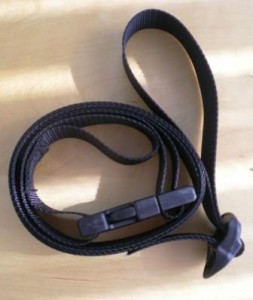
Recently the OYRA (SF Bay) has basically instituted Cat 2 regs to their racing which are rules I believe strongly in. Some people don’t think that complying with the crotch straps is necessary and they are also not finding a place to purchase them. RYM is making them so email me at amperrin at racingyachtmanagement.com and I can make you a set for $7 each. See some examples below of why they are important.
In the early stages of a Fastnet Race on a OOD34 Haley’s Dream lost a man overboard. He was wearing a lifejacket, adjusted as he thought correctly. Recovery was not as quick as he had hoped and he was thankful that the lifejacket gave him plenty of buoyancy. But soon he found that he could not breathe. The powerful up thrust of the lifejacket under his chin began to suffocate him. “I had to summon up my energy to use one arm to force the lifejacket down every few seconds than I took a great gulp of air rested my arm then had to do it all over again. Efforts to wave or shot were severely hampered and it would have been very difficult for him to have operated a torch or any other device.
As part of an arduous assault course, British combat troops wearing lifejackets were made to swim the length of a pool. Officers conducting the course noticed that several men had serious difficulties caused by lifejackets riding up and decided to add crotch straps which became standard equipment. Many services do likewise.
A yacht taking par tin a race from the RWYC was sailing across the bay of Biscay when a crewman disappeared at night. The next morning his harness and tether were found over the side empty. The harness had no crotch straps.
In the Hobart 1998 in different incidents, four sailors had harnesses pulled over their heads but fortunately none was lost. John Campbell was unconscious when he was pulled out of his harness build into a jacket but without a crotch strap. He said At some point while trying to hoist me over the lifelines still unconscious the jacket turned inside out and I slipped out of the harness. It happened in just a split second. There was very little warning – one second I was in the harness and the next second it was turned inside out….
Outhaul safety
I learnt a new way of making an outhaul safety the other day which I really love. See the below picture….
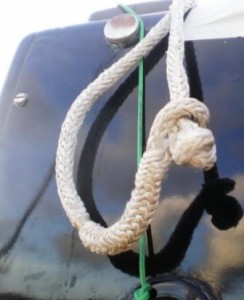
The clever thing about this is that the splice can be opened up (not completely taken apart because of the whipping) and then the knot slid through and the splice tightened. This allows you to put the main on the boom and put the outhaul on the clew ring and then put the outhaul safety through the clew ring. This means that the outhaul or the shackle could fail and you would have the outhaul safety as a back up allowing you to continue to race (with the main in the downwind position) until you sort out an alternative outhaul.
Shaving cream
Today I had to take apart an organiser and the ball bearings were not captive. Luckily I knew this so opened it up over a box. The ball bearings were numerous and they are about 1/8 inch diameter so they are small. So the dilemma becomes how do you get them back into the sheaves. The key is shaving cream! you put the shaving cream in the bearing race and then put the bearings into the shaving cream. It is sticky enough that it holds them all in place while you reassemble the hardware. Then when you are all done just wash the cream out with water. Voila!
IRC Time Calculator
I ran across this useful tool on the UK website. See http://www.ukhalsey.com/LearningCenter/irc.asp